Roof Repair in Charlotte, NC
Charlotte Roof Master stops roof leaks before they cost you thousands in interior damage. We replace cracked shingles, seal failed flashing, and restore compromised underlayment with the same quality materials and warranty we back on full roof replacements. Call us at 704-476-1263 for a free estimate.
Call (704) 476-1263What Roof Repair Involves
roof repair mends isolated damage to your roof—torn shingles, leaking flashing, failed sealant—without replacing the entire roofline. We inspect the roof deck, identify compromised underlayment or ice dams, and replace only the damaged materials. This differs from roof replacement, where we remove and rebuild the entire rooftop system down to the substrate. Repair is faster and costs less, typically completed in one day.
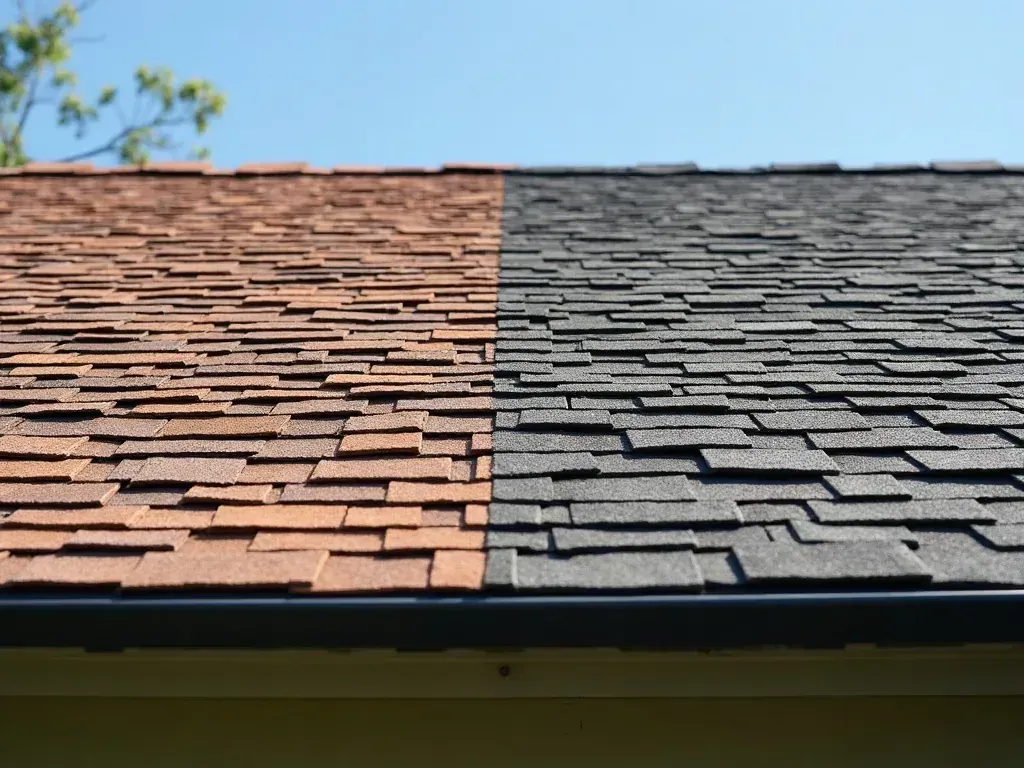
Our roofers assess pipe boots, vent boots, chimney flashing, step flashing, drip edge, ridge cap, and valley systems—all common failure points where water enters and seeps into your home's framing. We use GAF or Owens Corning asphalt shingles or architectural shingles to match existing color. Synthetic underlayment and ice-and-water shield products seal vulnerable zones along the eave, rake, and ridge. The goal is to extend your roof's life 5–10 years while preventing costly water damage to your home's interior structure.
Warning Signs You Need Roof Repair
Watch for these indicators:
- Water stains on ceiling or attic—indicating active seepage through roof deck
- Missing or curled shingles—exposing underlayment to wind-driven rain
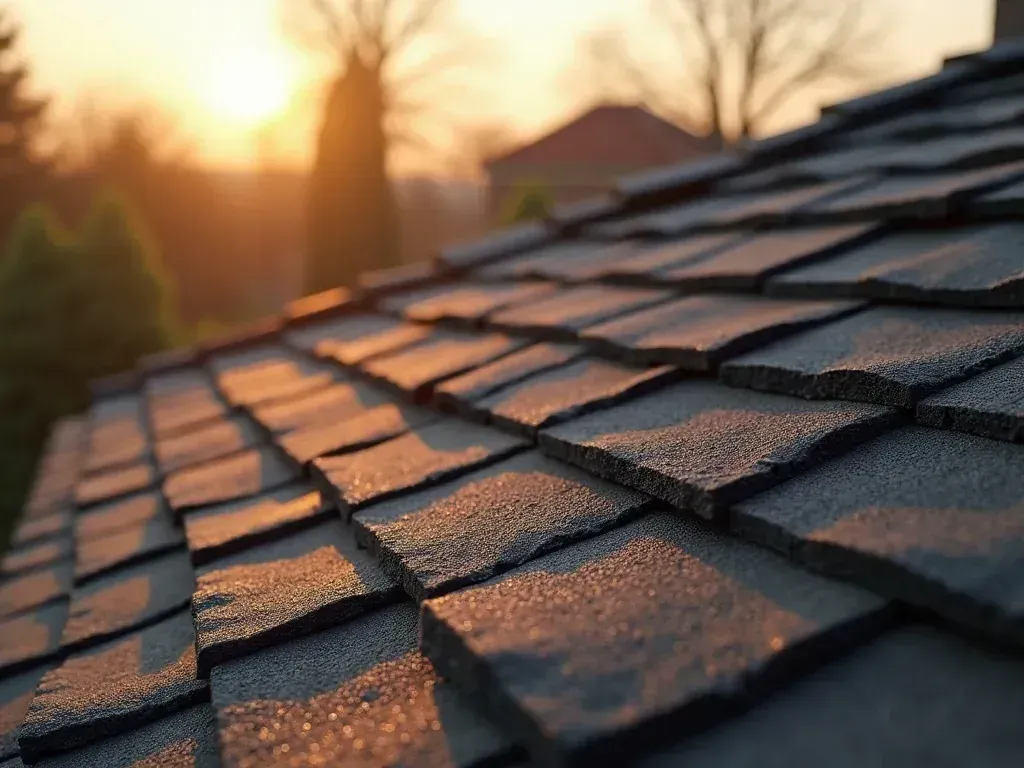
- Granules in gutters and downspout—asphalt shingles losing protective layer
- Daylight visible through attic—gaps in decking or structural frame
- Moss or algae growth—trapping moisture in roofline and fostering rot
- Sagging or spongy roof surface—rot or decay in structural frame, rafter, or joist
- Ice dams along eave and fascia in winter—freeze-thaw damage forcing water under shingles
- Rust spots on flashing or gutter—corrosion exposing fasteners and allowing water intrusion
- Lifted counterflashing around chimney or skylight—water seeping into walls or attic
- Cracked roof cement and mastic around boots—sealant failing and exposing fasteners
Local climate in the region brings hot, humid summers with intense afternoon thunderstorms. Spring hail and wind storms crack shingles. Winter freeze-thaw cycles create ice dams at the eave. High humidity demands proper ventilation through soffit vents and ridge vents to prevent wood deck rot beneath the membrane and attic condensation.
Materials & Roof Components We Repair
Roof repair and renovation work involves these materials and systems:
- Asphalt shingles—three-tab shingles for budget roofing, architectural shingles for durability and wind resistance
- Underlayment—felt or roofing felt as moisture barrier, or synthetic underlayment for superior protection
- Ice-and-water shield—self-adhered membrane protecting vulnerable zones where roof meets soffit, fascia, or gutter
- Flashing systems—step flashing, counterflashing, apron flashing, boot flashing for pipe penetrations, vent stacks, and chimney
- Drip edge—metal trim at rake and eave protecting roof perimeter
- Ridge cap shingles—specialized shingles covering hip and gable peaks where two roof planes meet
- Valley flashing—metal or self-adhered membrane where two roof planes intersect, directing water toward gutter
- Roof cement, caulk, and mastic—sealants for seams, fasteners, and flashing joints
- Fasteners—ring-shank nails for penetrating starter course and field course shingles into sheathing
- Adhesives—self-adhered products for underlayment and ice-and-water shield membranes
- Substrate materials—plywood or OSB sheathing forming the roof deck, which rests on rafters, joists, and ridge beam
We do not use tar, pitch, or bitumen roofing (built-up roof systems or modified bitumen)—those are industrial and commercial roofing applications. We can discuss TPO, EPDM, or PVC membrane for flat roofing if your roof structure supports it and building code permits.
How We Repair Your Roof
Our repair process follows these steps:
- Free Roof Inspection: We assess all damage to shingles, underlayment, flashing, roof deck substrate, and attic ventilation. We check for rot, sag, ice dam risk, and granule loss. We document findings in a detailed roof estimate.
- Scaffold & Safety Setup: We position ladder, safety harness, and debris dumpster. All crew members follow safety protocols for working at height.
- Tear-Off & Assessment: We remove damaged shingles and underlayment down to the roof deck (plywood or OSB sheathing). We inspect decking for rot, decay, or structural issues. If roof deck is compromised, we outline structural repair options.
- Material Installation: We install synthetic underlayment, ice-and-water shield, and starter course shingles using ring-shank nails. We lay field course shingles in staggered courses. We refit step flashing, counterflashing, pipe boots, and vent boots with roof cement, caulk, and mastic, ensuring proper seal.
- Sealing & Cleanup: We reseal all seams and joints, install ridge cap if needed, and perform a final walkthrough inspection. We haul away all debris in dumpster and leave the work area clean.
- Permit & Inspection: If repair exceeds 100 sq ft per North Carolina building code, we obtain permits and coordinate with the local building inspector for final approval.
Most repairs finish in one day. Jobs involving structural damage may require 2–3 days or engineered drawings per building code. We schedule around your availability and maintain an emergency line for storm damage.
Costs & Timeline
Roof repair costs depend on damaged area, materials, and complexity. A typical single-family home repair (under 500 sq ft of damage) runs $1,200–$3,500 if only shingles and flashing are affected. Jobs involving roof deck damage climb to $3,500–$7,000. We provide a free, itemized roof estimate that breaks down labor, materials (shingles, underlayment, fasteners, flashing, sealant), and any structural repairs.
Timeline is usually one day for standard shingle repairs, two to three days for work requiring substrate repair. Weather delays are common in our region's rainy season. North Carolina building code requires permits for roof work affecting more than 100 sq ft. We obtain permits and coordinate inspections at no additional cost to you.
Charlotte Climate & Local Roof Damage
Our region experiences unique roof stressors. Hurricane-force winds lift and tear asphalt shingles, especially on exposed ridges, gables, and rake edges. Summer thunderstorms drive water under lifted flashing and degraded counterflashing. Hail storms crack and puncture roofing materials, creating immediate leaks into the attic and interior.
Freeze-thaw cycles in winter damage flashing systems and cause ice dams to form at the eave—meltwater backs up under shingles and seeps through fascia into attic and exterior walls. High humidity promotes wood deck rot underneath the membrane if attic ventilation is poor. We recommend soffit vents and ridge vents to maintain air circulation and prevent condensation inside the attic space.
We prioritize proper flashing around chimneys, skylights, dormers, and parapets—these are the weak points where water wicks and seeps into wall cavities, rafter systems, and joist zones.
Warranty & Insurance Claims
We guarantee all labor for 10 years—if we installed a shingle improperly or a seal fails due to workmanship, we return and repair at no cost. Shingle manufacturer warranty varies: GAF and Owens Corning typically offer 20–30 year warranties on architectural shingles when installed by a licensed contractor.
We work directly with your homeowner's insurance for storm damage claims. We provide a detailed roof estimate itemizing damage, materials, and labor—exactly what you need for your adjuster inspection and proof of loss form. We handle the supplemental claim process if additional damage is discovered during the work. We are licensed and insured in North Carolina.
Frequently Asked Questions
Can you patch a single shingle instead of replacing a section?
Yes, if only one or two shingles are cracked or torn, we can spot-repair by replacing individual shingles. However, if the underlying underlayment is torn or the roof deck is wet, we must replace a larger area to prevent future leaks and water damage.
Will my homeowner's insurance cover roof repair?
Insurance typically covers storm damage (hail, wind, fallen tree limbs) but not age-related wear. We help file your claim and provide detailed documentation for your adjuster. Deductibles apply based on your policy.
How often should I have my roof inspected?
We recommend a free roof inspection once per year, ideally in spring after winter storms. We check gutters, downspouts, flashing, vent boots, and fascia for damage and debris that could cause leaks.
When should I replace my roof instead of repair it?
If your roof deck shows widespread rot, sag, or structural settle, or if granule loss is severe across large areas, a full roof replacement is more cost-effective than repeated repairs. We discuss this honestly during your free estimate and never recommend unnecessary work.
Do you offer metal roofing or specialty materials?
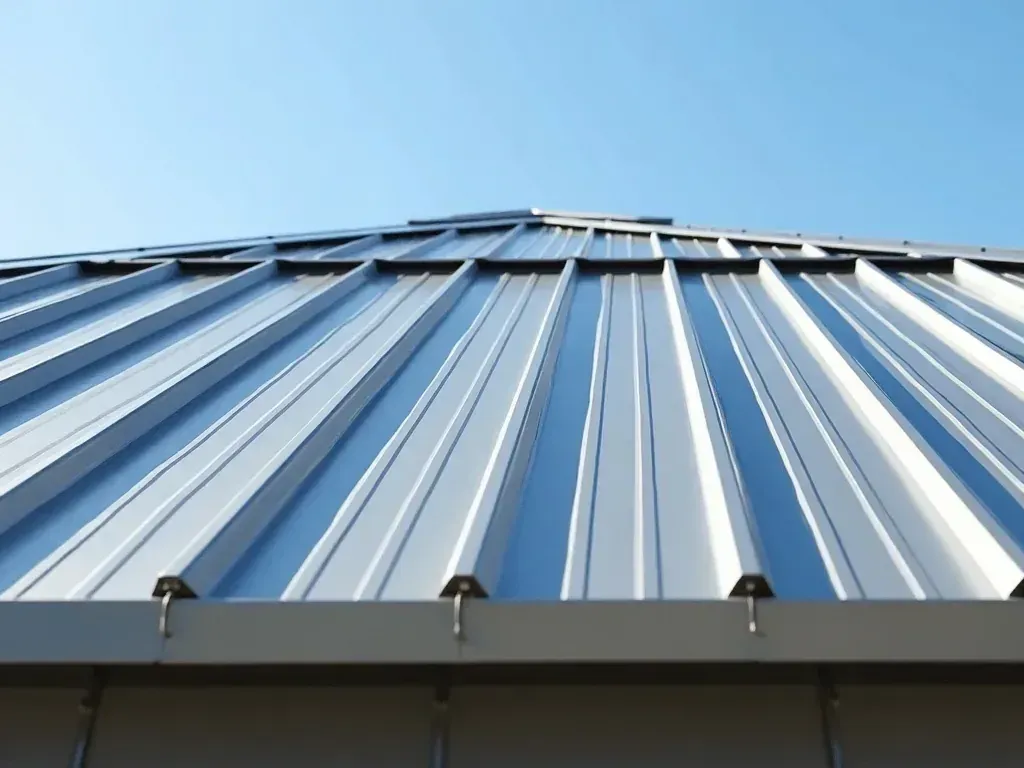
Yes, we install standing-seam metal panels and corrugated metal panels for superior durability and wind resistance. We also discuss TPO and EPDM membranes for flat roofs where applicable and permitted by building code.
What's Included
- Free roof inspection to identify all damage and recommend repair scope
- Removal of damaged shingles and underlayment down to roof deck substrate
- Replacement with GAF or Owens Corning asphalt or architectural shingles matched to existing color
- Installation of synthetic underlayment and ice-and-water shield in vulnerable zones
- Repair or replacement of flashing, including step flashing, pipe boots, vent boots, and counterflashing
- Sealing all seams with roof cement or mastic and fastening with ring-shank nails
- Full debris cleanup and removal in dumpster or debris bin
- 10-year labor warranty plus manufacturer shingle warranty (typically 20–30 years)
Our Roof Repair Process
- Free Roof Inspection: We assess all damage to shingles, underlayment, flashing, roof deck substrate, and attic ventilation. We check for rot, sag, ice dam risk, and granule loss. We document all findings in a detailed roof estimate.
- Scaffold and Safety Setup: We position ladder, safety harness, and dumpster. All crew members follow OSHA safety protocols.
- Tear-Off and Substrate Assessment: We remove damaged shingles and underlayment. We inspect roof deck (plywood or OSB sheathing) for rot or decay. If decking is compromised, we outline replacement options.
- Material Installation: We install synthetic underlayment, ice-and-water shield, and starter course shingles. We lay field course shingles in staggered courses with ring-shank nails. We refit step flashing, counterflashing, pipe boots, and vent boots with roof cement and caulk.
- Final Sealing and Cleanup: We reseal all seams with mastic, install ridge cap if needed, and perform final inspection. We remove debris and haul away in dumpster.
- Permit and Inspection: If repair exceeds 100 sq ft (per North Carolina building code), we obtain permits and schedule final inspector walkthrough.
Signs You Need Roof Repair
Signs You Need Roof Repair
- Water stains on ceiling or attic, indicating active water intrusion through roof deck
- Missing or curled shingles exposing underlayment to wind-driven rain and ultraviolet damage
- Granules in gutters and downspout—shingles losing protective asphalt layer due to age or hail
- Daylight visible through attic cracks or gaps in roof structure near rafter or joist
- Sagging or spongy roof surface suggesting rot, decay, or structural settling in decking
- Ice dams along eave and fascia in winter—freeze-thaw damage forcing meltwater under shingles
- Lifted counterflashing or separated step flashing around chimney or parapet—water seeping into walls
- Cracked or missing roof cement and mastic around pipe boots, vent boots, and skylight flashing
Don't just take our word for it — hear from our satisfied customers.
"Water was dripping into my living room after a hailstorm. Charlotte Roof Master came out the next day, inspected the damage, replaced a section of shingles and counterflashing around my chimney, and had me back to normal. The crew was professional and clean. Highly recommend." — Michael T., Myers Park
"My roof had multiple missing shingles after a windstorm. I called for an estimate and they walked me through the entire repair process—what materials they'd use, labor time, warranty. Fixed it in one day for a fair price. Licensed, insured, and they pulled all the permits." — Sarah L., Dilworth
"Found granules in my gutters and knew something was wrong. They performed a detailed roof inspection, found damaged underlayment in addition to shingles, and gave me an honest estimate that didn't push me toward a full replacement. Great workmanship and cleanup." — James H., South End
Ready to get started? Call us today at 7044761263 for a free estimate.
Free estimates · Licensed & Insured · 25-year warranty
Call (704) 476-1263