Emergency Roof Repair in Charlotte, NC
Charlotte Roof Master responds to storm damage and active leaks within hours—sometimes same-day—to stop water intrusion before it damages your home. We deploy emergency tarps to protect your roof deck and interior, then schedule permanent repairs after your insurance adjuster inspects. Call 704-476-1263 now for 24/7 emergency service.
Call (704) 476-1263What Is Emergency Roof Repair?
Emergency roof repair stops active leaks and protects your property when a storm, fallen debris, or structural failure damages the roof. We deploy emergency tarps to prevent water from seeping into your attic, insulation, and interior walls. Once weather stabilizes, we inspect the roof deck, underlayment, and flashing to assess whether a temporary patch or permanent replacement is needed.
Charlotte's hot, humid summers bring intense afternoon thunderstorms that tear shingles, puncture metal panels, and dislodge flashing at critical intersections. Spring hail and wind storms cause granule loss on asphalt shingles and dent standing-seam metal roofing. Winter ice dams trap melt under the ice-and-water shield, forcing water to seep into the substrate beneath. Each event demands immediate tarping to halt damage.
Why Response Time Is Critical
A single hole in your roofline allows water to migrate laterally along rafters, joists, and decking for hours before you see a drip inside. Water doesn't fall straight down—it travels along the substrate, wicking into insulation and wood framing before appearing as a ceiling stain. By then, structural rot and mold are already spreading.
Our emergency tarping service seals damage within hours. We use heavy-gauge tarps, ring-shank fasteners rated for wind uplift, and secure them with scaffolding or temporary anchors. This protects your roof while your insurance adjuster inspects and permanent materials are ordered.
Warning Signs You Need Immediate Help
- Active water dripping inside during or right after rain or ice melt.
- Visible punctures, tears, or splits in shingles or metal panels on the roof.
- Debris scattered across the roof after a storm—branches, hail dents, or missing ridge cap.
- Flashing separation where the roof meets a gable, dormer, or sidewall—especially step flashing and counter-flashing.
- Missing or curled asphalt shingles showing bare roof deck or OSB sheathing underneath.
- Sagging or soft spots in eaves, soffits, or fascia boards—signs the substrate is rotting.
- Dark, damp patches on ceilings or wet insulation visible from the attic.
- Mold odor or visible mildew in the attic or upper rooms after heavy rain.
Our Emergency Response Process
Step 1: Rapid Assessment & Temporary Protection
We arrive with emergency tarps, fasteners, air compressor, and roofing tools. Our crew photographs damage for insurance, locates the leak source, and secures vulnerable zones—valleys, chimneys, and areas where water pools. We inspect for roof deck stability before tarping to ensure the substrate can hold fastener weight.
Step 2: Comprehensive Roof Inspection
Once immediate risk is controlled, we examine the roof deck condition, synthetic underlayment and felt integrity, ice-and-water shield coverage, pipe boots and vent flashing, chimney flashing and step flashing alignment, drip edge condition, gutter and downspout flow, fascia and soffit rot, ridge and ridge vent function, valley condition, and ventilation via soffit vents and attic fans. We document building code compliance and photograph all defects.
Step 3: Insurance Claim Coordination
We provide a detailed scope of work with material and labor costs. Storm-related claims are typically approved quickly if damage is recent. We explain deductibles, coverage limits, and coordinate with your adjuster so there are no claim denials due to missing documentation.
Step 4: Permanent Repair or Re-Roof
For isolated damage, we replace shingles, flashing, decking, and underlayment in the affected area. For widespread damage on older roofs, a full tear-off followed by new sheathing, synthetic underlayment, starter and field courses of shingles (three-tab, architectural, or metal panel), ridge cap, valley flashing, and roof cement sealant is more cost-effective and durable.
Step 5: Cleanup, Testing & Final Inspection
We remove all debris, tarps, and staging. We pressure-wash gutter systems, verify downspout drainage, confirm soffit vents are unobstructed, and test the attic fan. We inspect every fastener, seam, and sealant application. All work is documented for your insurance records and future home sales.
Materials We Use
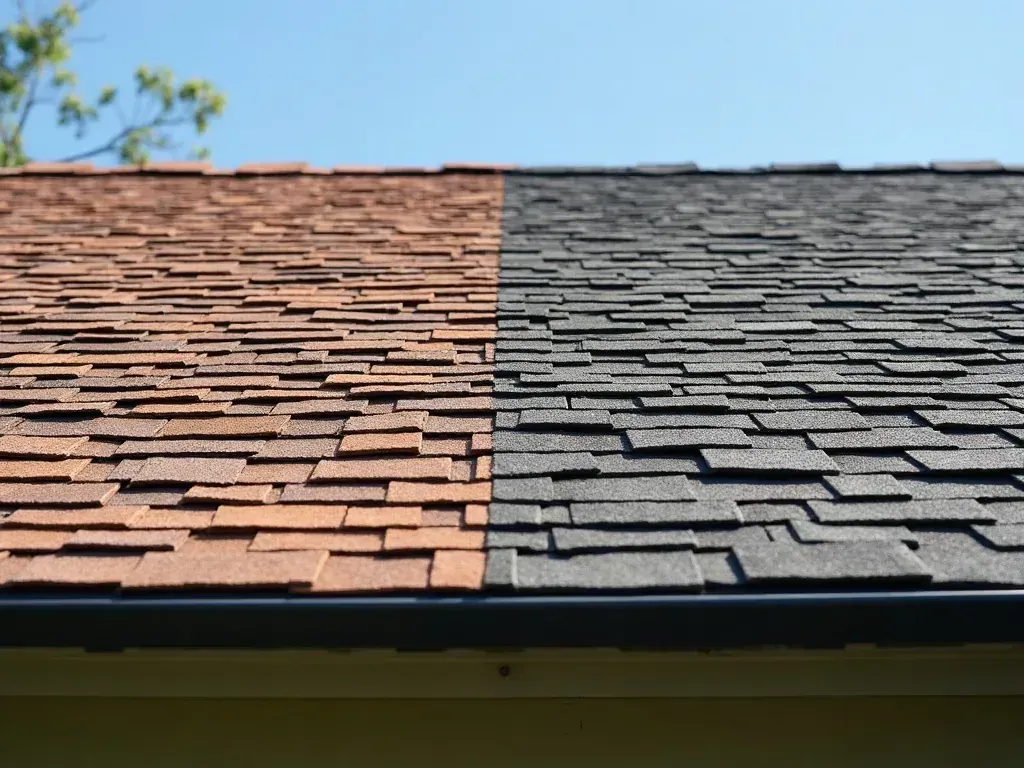
Our repairs use replacement shingles matched to existing roofs—asphalt, architectural, wood shake, or clay and concrete tile. We install synthetic underlayment or felt, ice-and-water shield, step and counter-flashing, pipe flashing, vent boots, drip edge, and ridge cap. Sealants include roof cement, mastic, and caulk rated for UV and weather. All fasteners are ring-shank nails or stainless screws per building code specifications.
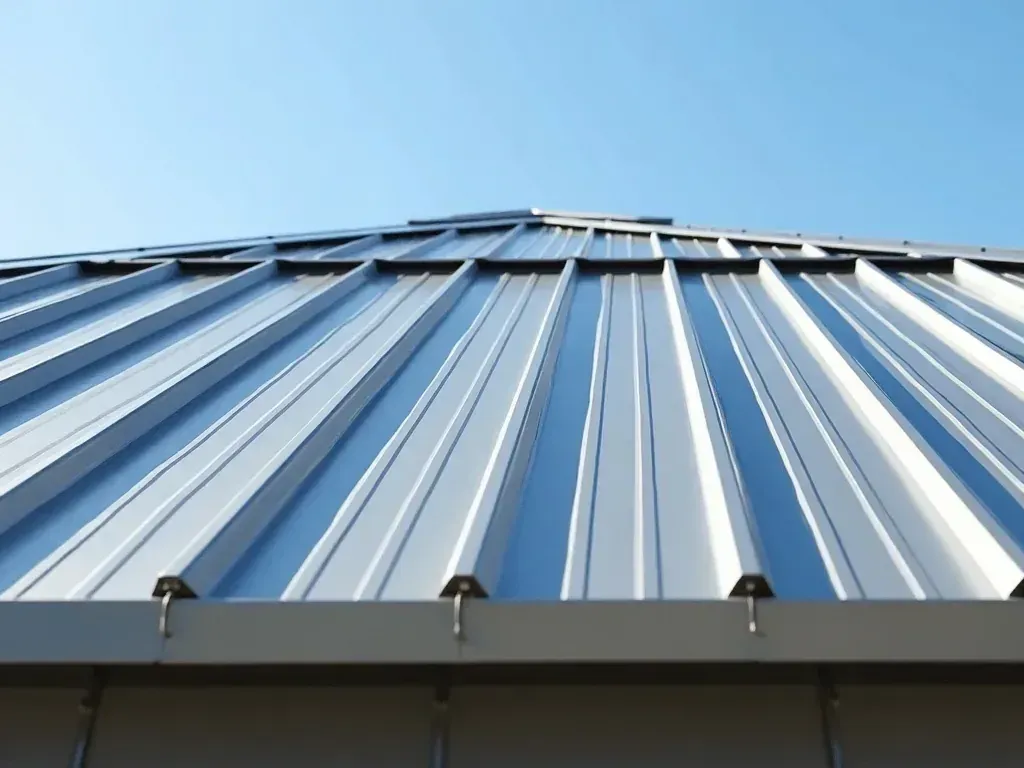
For metal roofing, we use corrugated or standing-seam panels with proper lap overlap and fastener sealing. For flat roofs, we repair TPO, EPDM, or PVC membranes with compatible adhesive and sealant, or replace with modified bitumen or built-up roofing.
Cost & Coverage
Emergency tarping costs $350–$900 depending on roof pitch, accessibility, and number of tarps needed. Permanent repairs for localized damage run $600–$2,500. Full re-roofs on a typical Charlotte 2,000 sq ft home range $8,000–$25,000 (tear-off, decking repair, underlayment, shingles, flashing, ridge cap, labor, permit).
Most homeowner policies cover 70–90% of storm damage after your deductible. We file insurance claims and coordinate releases for supplemental costs. You pay your deductible; we manage the rest.
Charlotte's Climate & Your Roof
Intense summer thunderstorms, spring hail, and winter ice mean Charlotte roofs face constant weather stress. Your roof's framing (trusses, rafters, joists, and ridge beam) must support the weight of sheathing, underlayment, shingles, snow loads, and ice dams. Proper ventilation through soffit vents, ridge vents, and attic fans prevents trapped moisture that causes rot and shortens shingle life.
Charlotte building code requires proper fastener spacing, ice-and-water shield in valleys, gutter installation, and verified structural integrity. Non-compliant roofs fail faster in storms and may void insurance coverage.
What's Included
- Emergency tarping with heavy-gauge tarps and wind-rated fasteners to prevent water intrusion within hours of your call.
- Comprehensive roof inspection including roof deck, underlayment, flashing, pipe boots, and ice-and-water shield assessment.
- Replacement shingles, flashing, sealant, and decking materials matched to your existing roof system.
- Labor for tear-off, installation, cleanup, and final testing of gutters and downspout drainage.
- Insurance claim preparation with detailed scope of work, photos, and coordination with your adjuster.
- 10-year labor warranty on all shingles and flashing installed by our crew.
- Manufacturer warranty on replacement materials (shingles, underlayment, sealants, metal panels).
- Compliance with Charlotte building code requirements and local permit filing.
Our Emergency Roof Repair Process
- Emergency Response & Tarping (Same-Day) – Our crew arrives with heavy-gauge tarps, fasteners, and roofing tools. We photograph damage for insurance, identify the leak source, assess roof deck stability, and secure vulnerable zones (valleys, flashing, chimneys) with wind-rated fasteners and temporary anchors. This stops water intrusion within hours.
- Comprehensive Roof Inspection (24 Hours) – We inspect roof deck condition, underlayment and ice-and-water shield coverage, flashing alignment, pipe boots and vent boots, chimney flashing, drip edge condition, gutter and downspout flow, soffit and fascia integrity, ridge cap and ridge vent function, and ventilation via soffit vents and attic fans. We document building code compliance and photograph all defects.
- Insurance Coordination (1-3 Days) – We provide a detailed scope of work with material and labor costs, file your claim, and coordinate your adjuster's inspection. We explain deductibles, coverage, and warranty information so there are no claim surprises.
- Permanent Repair or Re-Roof (3-7 Days) – For localized damage, we replace shingles, flashing, underlayment, and decking in the affected area. For widespread damage, we perform a full tear-off and installation of new roof deck sheathing, synthetic underlayment, starter and field courses of shingles or metal panels, ridge cap, valley flashing, and sealant application per building code.
- Final Cleanup & Testing (1 Day) – We remove all debris, tarps, and staging equipment. We pressure-wash gutters, verify downspout drainage, confirm soffit vents are unobstructed, test attic fans, and inspect every fastener, seam, and sealant for proper installation and curing.
Signs You Need Emergency Roof Repair
Warning Signs You Need Emergency Roof Repair
- Active water dripping inside your home during or immediately after rain, hail, or ice melt—a sign of compromised roof deck and underlayment.
- Visible punctures, tears, or splits in shingles or metal panels exposing the substrate to moisture and UV damage.
- Debris scattered on the roof after a storm—branches, hail impact marks on shingles, or dislodged ridge cap and flashing.
- Flashing separation at valleys, chimneys, dormers, or sidewalls—especially missing step flashing or counter-flashing that allows water to seep under sealants.
- Missing or curled asphalt shingles showing bare roof deck or OSB sheathing, a direct result of Charlotte's hail and wind storms.
- Sagging, soft, or visibly rotted eaves, soffits, or fascia boards—signs that water has wicked into framing and structural rot is underway.
- Dark, damp patches on ceilings, wet insulation in the attic, or musty odors—evidence of water intrusion that may hide for weeks before appearing inside.
- Mold or mildew visible on attic framing or drywall—a consequence of trapped moisture from ice dams and poor ventilation during Charlotte's humid summers.
Don't just take our word for it — hear from our satisfied customers.
"During the thunderstorm in June, our Myers Park roof leaked badly—water was dripping in two rooms. Charlotte Roof Master was here within 3 hours with tarps. Their crew photographed everything, talked us through the insurance claim, and replaced the shingles and flashing three days later. Total damage was covered except our $500 deductible. Highly recommend."
— Michael T., Myers Park"A windstorm ripped off part of our ridge cap in Uptown. We weren't sure if we needed a whole new roof or just a repair. The team inspected everything carefully, showed us photos of the underlayment and decking (which were fine), and fixed it properly with new ridge cap and sealant. They were licensed, insured, and explained every step. Great communication."
— Sarah M., Uptown"Our South End home had ice dam damage in January—water was seeping into the soffit and attic insulation. They tarped it immediately, then removed the old underlayment and ice-and-water shield in the valley, replaced it with new materials, and sealed it properly. Three months later, no leaks. Fair pricing and no surprises."
— David P., South EndReady to get started? Call us today at 7044761263 for a free estimate.
Free estimates · Licensed & Insured · 25-year warranty
Call (704) 476-1263