Roof Inspection in Charlotte, NC
Charlotte Roof Master inspects your entire roofline—from shingles and flashing to gutters and fascia—to catch problems before they become expensive repairs. We use moisture meters, infrared scans, and drone imagery to deliver a detailed written report you can trust. Call us at 704-476-1263 for a free estimate today.
Call (704) 476-1263What Is a Roof Inspection?
A roof inspection is a comprehensive evaluation of your home's entire roofing system, including the roof deck, shingles, underlayment, flashing, gutters, and all structural components. We examine your roof both from ground level and, when safe, from above—using moisture meters, infrared scans, and drone imagery to identify hidden problems. You'll receive a detailed written report with photos and recommendations that you can share with insurance agents, buyers, or contractors.
Why Charlotte Homeowners Need Annual Roof Inspections
Charlotte's hot, humid summers combined with spring hail and wind storms create ideal conditions for roof damage. Ice dams form during winter freeze-thaw cycles, and afternoon thunderstorms can cause water to seep through flashing, around chimney areas, and along valleys. An annual inspection catches these problems early—before they spiral into costly repairs.
Warning Signs You Need a Roof Inspection:
- Granule loss visible in gutters or downspouts—a sign shingles are deteriorating
- Missing or curled asphalt shingles on your roof deck
- Stained ceiling or attic spots indicating water intrusion from above
- Ice dam buildup along the eave after winter weather
- Cracked or deteriorating mortar around chimney flashing
- Sagging gutters or fascia showing water damage
- Visible rust or corrosion on metal flashing or pipe boots
- Moss, algae, or dark streaks covering portions of your roofline
What We Look For During an Inspection
We systematically examine every component of your roofing system. Our inspectors check starter course and field course shingles for end-of-life wear and assess underlayment condition beneath shingles.
We evaluate step flashing where the roof meets a sidewall, counter-flashing at chimneys, pipe boots around plumbing vents, ridge vents and soffit vents for blockage, and drip edge positioning at the eave and rake.
We check for granule loss, alligatoring, blistering, and peeling that signal deterioration. We inspect the roof deck (plywood or OSB sheathing), examine trusses and rafters for rot or decay, and look for sagging that suggests settling.
We measure ice-and-water shield condition, verify nailing and fastener security, and ensure roof cement and sealant remain intact. We also assess valley condition, gutter and soffit integrity, and look for any exposed penetrations like skylights or dormers.
Components We Inspect:
- Asphalt shingles and architectural shingles for damage, curling, and granule loss
- Underlayment and synthetic underlayment for deterioration and proper overlap
- Step flashing and counter-flashing at chimneys and walls
- Pipe boots and vent flashing around roof penetrations
- Ridge vents and soffit vents for proper ventilation and blockage
- Drip edge at eaves and rakes to prevent water intrusion
- Ice-and-water shield integrity beneath the first course
- Valley condition where two roof slopes meet
- Gutter, downspout, and fascia for damage and proper function
- Soffit and ventilation for attic airflow and moisture control
- Ridge cap and starter course alignment and security
- Roof deck, sheathing, trusses, and rafters for structural integrity
Roof Inspection Costs in Charlotte
A typical residential roof inspection in Charlotte runs $200–$400, depending on roof size, pitch complexity, and whether drone imagery or infrared scan is included. Commercial roofing inspections range from $300–$800. Most homeowners choose to include the infrared scan—an additional $75–$150—to detect moisture before visible damage appears.
Cost Factors Include:
- Roof size (measured in roofing squares; one square = 100 sq ft)
- Pitch steepness (steeper roofs cost more due to safety equipment and time)
- Roof age and material type (architectural shingles, metal panels, slate, or tile)
- Number of penetrations (skylights, dormers, vents)
- Chimney complexity and counter-flashing condition
- Whether drone imagery is requested
- Whether infrared scan or moisture meter analysis is included
- Post-storm damage assessment (more detailed = higher cost)
Insurance Claims & Documentation
A professional roof inspection report is essential when filing an insurance claim after storm damage. We document hail impact, wind uplift, missing shingles, and water intrusion with photographs and measurements. Our written report serves as the proof of loss form insurance adjusters need to process your claim and determine reserve release amounts.
We understand Charlotte building code requirements and how they affect claim eligibility. Our reports are accepted by major insurers and help expedite the supplemental claim process if initial damage estimates prove insufficient.
Charlotte Climate Considerations
Charlotte summers bring intense afternoon thunderstorms that test flashing integrity and push water along valleys into underlayment. Spring hail storms can bruise shingles and puncture membrane roofs. Winter ice dams form when snowmelt refreezes at the eave, backing water beneath shingles.
Occasional freezing rain weighs down shingles and strains gutter fasteners. Your roof deck expands and contracts with seasonal temperature swings, stressing fasteners and sealant. Our inspections account for Charlotte's weather patterns and prepare you for the next storm.
Frequently Asked Questions
How long does a roof inspection take?
A typical residential inspection takes 45 minutes to 2 hours depending on roof size, pitch, and complexity. Commercial inspections may take 2–4 hours.
What if I have a metal roof or standing-seam panel roof?
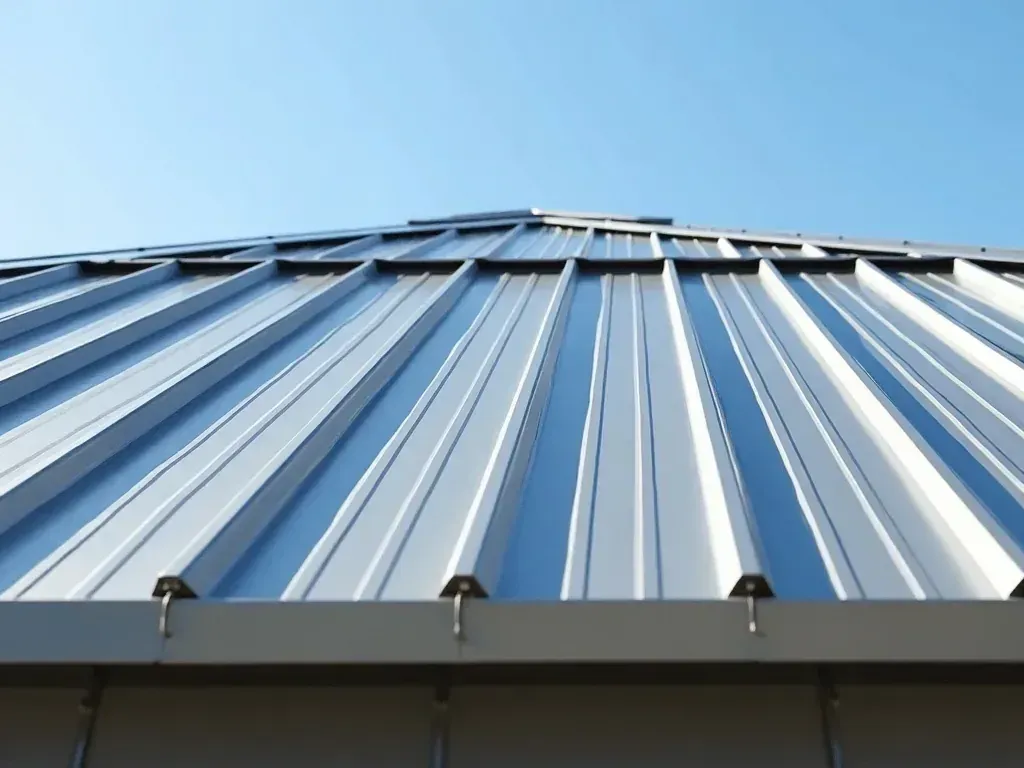
Metal roofing inspections involve checking fastener security, checking for corrosion, examining sealant along seams, and verifying proper panel overlap. Standing-seam panels require special attention to expansion, contraction, and counterbatten condition.
Do you inspect flat roofs or TPO/EPDM membrane roofs?
Yes. Flat roofs and membrane roofs require different inspection protocols. We check for ponding water, membrane seams and adhesive integrity, flashing bead sealant, and proper pitch. TPO, EPDM, and PVC membranes have different aging rates and failure modes we evaluate carefully.
What about wood shake or cedar shake roofs?
Cedar shake roofing requires inspections for rot, decay, and weathering. We assess shingle splitting, cupping, and the integrity of any repair coats or finish coats applied.
Can you inspect slate, clay tile, or concrete tile roofs?
Absolutely. Slate, clay tile, and concrete tile inspections check for cracking, spalling, and loose fasteners. These materials last 50–100 years but require specialized attention to substrate condition, flashing, and building code compliance.
What's included in the report?
Your written report includes photographs of every major component, narrative findings for each system (shingles, underlayment, flashing, ventilation, etc.), a prioritized list of needed repairs, cost estimates, maintenance recommendations, and a timeline for repairs. We explain the condition of your roof deck, fascia, soffit, gutters, downspouts, and insulation.
Do you help with insurance claims?
Yes. We document storm damage, provide proof of loss documentation, help you understand supplemental claims, and answer adjuster questions. Our reports are accepted by insurance companies nationwide.
What's Included
- Comprehensive visual inspection of all roof surfaces, including shingles, underlayment, and flashing
- Detailed examination of roof penetrations: skylights, chimneys, chimney flashing, pipe boots, and vent boots
- Moisture meter analysis to detect water trapped in roof deck and substrate
- Drone imagery for hard-to-reach areas and ridge assessment
- Infrared scan to identify hidden moisture and heat loss patterns
- Full attic inspection: insulation condition, ridge vents, soffit vents, attic fan functionality, and structural assessment
- Gutter and downspout evaluation for proper drainage and damage
- Professional written report with photographs, findings, cost estimates, and maintenance recommendations
Our Roof Inspection Process
How We Inspect Your Roof
- Ground-Level Assessment: We photograph your roof's exterior, note the age and roof type (asphalt shingle, metal panel, tile, etc.), measure pitch using a roofing square, and assess overall exposure and condition before climbing.
- Topside Inspection: We walk your entire roof checking each course of shingles, field course alignment, starter course condition, and fastener security. We use a moisture meter on the roof deck to detect trapped water. We inspect step flashing at walls, counter-flashing at chimneys, pipe boots around vents, ridge cap integrity, valley condition, and check all sealant and roof cement for deterioration.
- Attic & Structural Evaluation: We enter the attic to inspect rafters, ridge beam, joists, and plywood or OSB sheathing from underneath. We check insulation R-value, verify ridge vent and soffit vent functionality, test attic fans if installed, look for vapor barrier condition, and scan for moisture, rot, or decay. We examine the underside of underlayment and ice-and-water shield.
- Perimeter & Drainage Inspection: We clean gutters, verify downspout pitch, inspect fascia and soffit for rot or decay, examine drip edge at eaves and rakes, and confirm proper water discharge away from the foundation. We note any damage to apron flashing or boot flashing around roof extensions.
- Advanced Technology Assessment: If needed, we use drone imagery to safely inspect steep areas and tall portions of your roofline. We run an infrared scan to reveal moisture pockets, heat loss, and insulation gaps invisible to the naked eye.
- Detailed Report Delivery: We compile photographs, measurements, building code compliance notes, and findings into a professional written report. We explain each issue in plain language, provide repair cost estimates prioritized by urgency, outline a maintenance timeline, and answer all your questions.
Signs You Need Roof Inspection
Warning Signs Your Roof Needs an Inspection
- Visible granule loss in gutters and downspouts—indicates asphalt shingles are deteriorating and nearing end-of-life wear
- Curled, cracked, or missing shingles on your roofline or architectural shingles showing signs of weathering
- Stained ceilings or attic spots indicating water seeping through underlayment into insulation
- Ice dam buildup along the eave after winter weather, backing water under shingles
- Cracked, deteriorated, or missing mortar around chimney flashing or counter-flashing
- Sagging gutters, downspouts, or fascia—signs of structural settling and water damage
- Visible rust, corrosion, or deterioration on metal roof panels, step flashing, or pipe boots
- Moss, algae, or dark streaks covering roof surface—indicates moisture retention and potential rot in substrate decking
Don't just take our word for it — hear from our satisfied customers.
"We were preparing to sell our home in Myers Park and needed a roof inspection for the buyer's appraisal. Charlotte Roof Master was thorough—they found a small leak in the chimney flashing we didn't know about. Their report was detailed with photos, and the recommendations helped us plan repairs. Highly professional." — Sarah M.
"After a spring hail storm in South End, we called Charlotte Roof Master for damage assessment. Their infrared scan and drone imagery revealed roof damage we couldn't see from the ground. They documented everything for our insurance claim, and within days we had approval for repairs. Best investment we made." — James T.
"Our NoDa home is older, and we weren't sure about the condition of our asphalt shingles and underlayment. The inspector was knowledgeable, explained what he found in plain English, and gave us realistic cost estimates. We learned we have at least 5 more years before needing a roof replacement. That peace of mind was worth the inspection fee." — Michelle R.
Ready to get started? Call us today at 7044761263 for a free estimate.
Free estimates · Licensed & Insured · 25-year warranty
Call (704) 476-1263